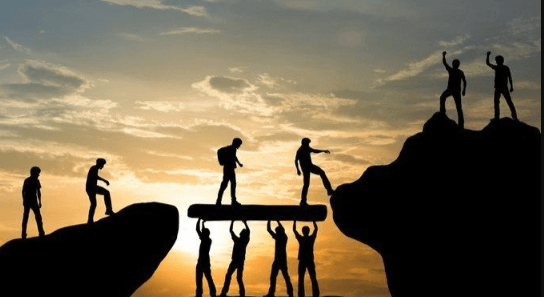
A community that lasts requires more than concrete, steel, and glass. Enduring communities take shape when institutions, leaders, and residents value the social fabric as much as the physical framework. Infrastructure provides the foundation, but the relationships within a community give it heart and longevity. These human connections nurture shared goals, resilience, and a sense of place that physical development alone can never achieve.
The Foundation of Trust and Collaboration
Communities thrive when trust takes root. Trust rarely appears overnight; it grows through purposeful collaboration over time. When groups work together toward shared objectives, they cultivate mutual respect and a culture of accountability. That trust encourages residents to take pride in their surroundings and contribute actively to their betterment. Harvard’s Joint Center for Housing Studies has shown that strong social ties within neighborhoods directly shape safety, health, and opportunities for collective success. Without these connections, even the most carefully designed spaces can fail to foster genuine community spirit.
Prioritizing Inclusivity and Shared Vision
A hallmark of lasting communities is their capacity to include and uplift everyone. Urban designs rooted in inclusivity encourage interaction among diverse groups, opening opportunities for shared growth and understanding. The most successful community-building approaches reject exclusivity and instead accommodate a wide range of needs. Public gathering spaces, walkable streets, and accessible services all invite residents to connect. Visionary urban planners make sure these elements come first. Projects that weave together mixed-use developments, green areas, and cultural institutions show that inclusivity and shared vision are powerful catalysts for cohesion and progress.
Resilience in Times of Change
Communities anchored by strong relationships prove remarkably resilient, especially in difficult times. That resilience flows from interconnectedness — individuals and organizations supporting one another through economic, environmental, or social upheaval. Adaptive reuse offers a clear example, as former industrial spaces are transformed into thriving hubs for innovation, gathering, and creativity. Research from the Urban Land Institute suggests that neighborhoods designed with adaptability in mind are better positioned to pivot and thrive as societal needs shift. The communities that endure are those that evolve together, blending physical transformation with social leadership.
See also: Property Technology Explained
Leadership as a Unifying Force
Visionary leadership plays an unmatched role in shaping communities bound by relationships. Great leaders understand that their decisions influence not only the spatial layout of a place but also its spirit. Terry Hui, President and CEO of Concord Pacific Developments Inc., exemplifies this kind of leadership through his focus on creating urban environments that place relationships and interaction at the center of community building. Over three decades, Terry Hui has guided Concord Pacific’s growth with signature developments across Canada. By designing environments where connection is encouraged through public spaces, cultural amenities, and sustainable living, impactful leaders shape communities destined to endure.
The Legacy of a Relationship-Driven Approach
The most lasting legacy of community development lies not in the height of its buildings but in the depth of its human connections. Relationships form the invisible infrastructure that sustains vibrant, enduring communities. A place where people feel known, valued, and empowered does more than retain residents; it draws future generations eager to belong. When leadership, inclusivity, and resilience converge, these qualities create neighborhoods that thrive far beyond their physical constructs. The visionaries who put relationships first plant the seeds for communities that endure long after their structures have weathered with time.