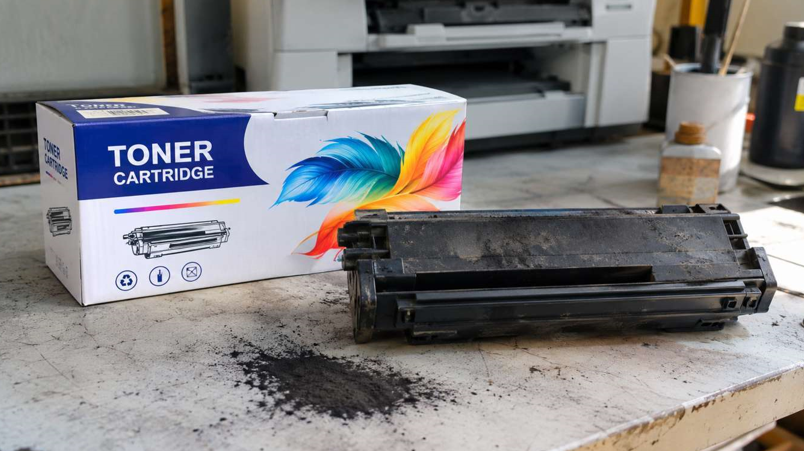
Toner isn’t cheap. So when that “low toner” message pops up again, a question follows. Why not just get the cartridge refilled? It sounds cheaper. Sometimes it is. Sometimes it isn’t.
Here’s the honest version. Refilling can work, but it isn’t right for every printer or every job. Let’s look at both sides, so you can decide with your eyes open.
What Is a Toner Refill?
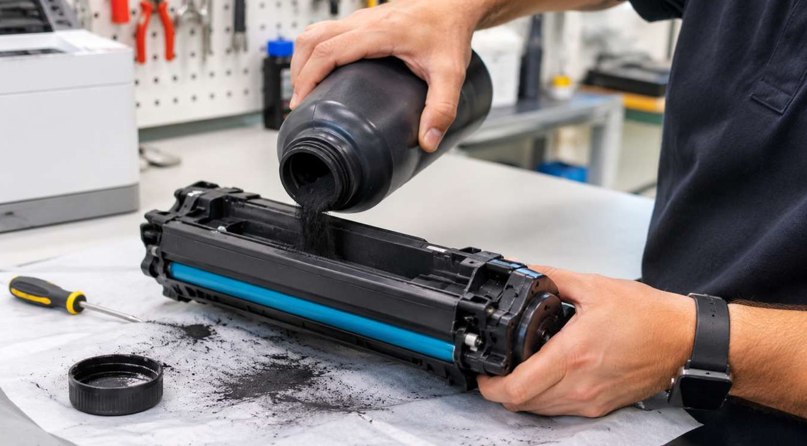
A refill means taking your empty cartridge and filling it with fresh toner powder. Some shops do it for you. Some people use kits at home. Often the cartridge’s worn parts are cleaned or replaced too, though that depends on who does the work.
The key point: you’re reusing the old shell, and the quality of the job decides the result.
What Is a New Cartridge?
A new cartridge arrives sealed, with fresh toner and fresh parts. It can be original (from HP) or compatible (from another maker, sold honestly as compatible). Either way, you get a clean start.
Refill vs New: Side by Side
| Factor | Refill | New cartridge |
| Upfront price | Usually lower | Usually higher |
| Print quality | Depends on the refiller | More predictable |
| Risk of leaks | Higher if done badly | Lower |
| Error risk | Higher on some printers | Lower |
| Convenience | Needs a drop-off or kit | Ready to install |
| Best for | Light, low-stakes printing | Important and daily printing |
Where Refilling Can Make Sense
A refill can work well when:
- You print draft or internal pages
- Your cartridge is in good condition
- You use a refiller you trust
- Your printer isn’t sensitive about cartridge chips
- Saving money matters more than perfect prints
If those fit you, a good refill can be a reasonable choice.
Where It Can Go Wrong
Refilling has real downsides, and people don’t always mention them.
- Worn parts stay worn. If the drum, wiper blade or seals inside the cartridge are tired, new toner won’t fix that. You get streaks, lines or leaks.
- Quality varies a lot. Some refillers do careful work. Others just pour powder in.
- Recognition errors. Printers read a chip on the cartridge. After a refill, some models don’t reset the chip properly and show “Replace Toner” or errors.
- Leaks. A poor seal can spill toner inside the printer. That’s messy, and it can damage other parts.
- Fewer refills per shell. A cartridge can only be reused so many times before it wears out.
None of this means refills are bad. It means the outcome depends on who does it.
What About Buying New?
New cartridges cost more per unit. But you get a clean start and fewer surprises. For important documents, client work or a busy office, that predictability is worth paying for. Many people also find a good compatible cartridge hits a sweet spot, with a lower price than original and fewer risks than a bad refill. When you shop, pick the right new HP LaserJet compatible toner cartridge for your exact model, and buy from a supplier who stands behind it.
See also: Modern Frontend Development: Choosing Between Angular, Vue.js, and Custom Solutions
How to Decide
Ask yourself these four questions.
- What am I printing? Important client documents? Go new. Drafts and internal pages? A refill could do.
- How old is my cartridge? A first or second refill is usually fine. A cartridge that’s been refilled many times is risky.
- Does my printer fuss about chips? If you’ve had recognition errors before, new is safer.
- Can I trust the refiller? Ask how they work, what parts they replace and whether they guarantee the result.
If you’re unsure, try one refill and judge the results. Don’t refill ten at once.
The Hidden Cost of a Bad Refill
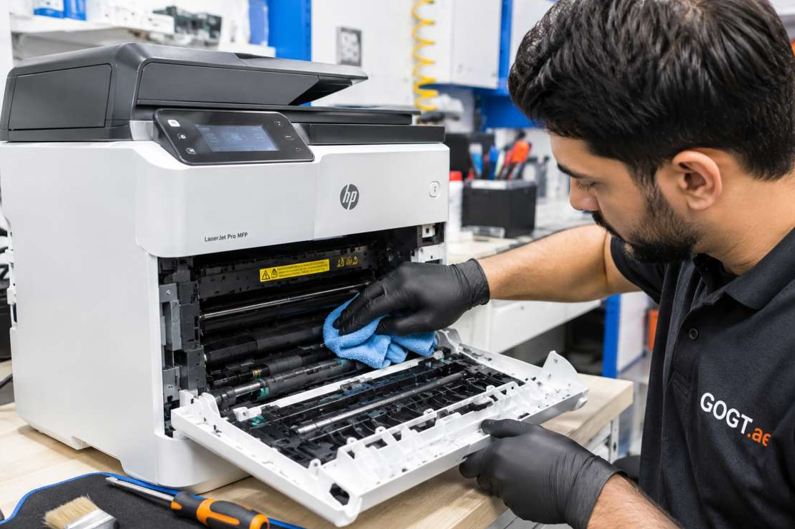
A cheap refill that goes wrong isn’t cheap. You waste toner and paper on bad prints. You might pay twice. And a leak can damage the printer. Streaks, lines or repeated errors after a refill are a clear warning. If they stay even after you swap to a good cartridge, the printer may have been affected. A trusted laser printer repair specialist in Dubai can clean up any leaked toner and test the drum, fuser and sensors before a small problem turns into a big one.
Tips for Either Choice
- Check your toner number before you buy or refill
- Keep spare cartridges sealed in a cool, dry place
- Rock a nearly empty cartridge gently to use the last of the powder
- Use draft mode for everyday documents
- Keep notes on how many pages each cartridge prints
- Keep the printer clean and dust-free
Mistakes to Avoid
- Choosing purely on price
- Refilling the same cartridge again and again
- Using an unknown refiller with no guarantee
- Ignoring leaks or streaks after a refill
- Wiping spilled toner with a wet cloth
- Opening the printer without training
When Should You Get Extra Help?
Ask a technician if:
- Toner has leaked inside the printer
- Prints stay poor after a good new cartridge
- Errors keep returning
- You hear grinding or clicking
- You smell something burning
Please don’t take the printer apart yourself. The fuser inside gets very hot, and small parts break easily.
There’s no single winner. Refills can save money when the cartridge is in good shape and the refiller is careful. New cartridges cost more but give steadier results and fewer headaches. Match the choice to the job. Use new for what matters. Consider a refill for what doesn’t. And whatever you pick, buy from people who’ll be there if something goes wrong.