Ship design has always required engineering skill, but today’s vessels demand a wider view. Owners want safer ships, lower emissions, better crew conditions, flexible operations, and stronger return on investment. For readers of techtvhub.net, this makes ship design a clear example of how traditional industries are being reshaped by smarter technology.
Sirius Design & Integration describes its work as developing optimized ship designs driven by customers and best available technology. That phrase captures the modern challenge well. A vessel must match the needs of the customer, but it must also use technology in a way that improves real performance.
From Concept to Practical Vessel
The design process begins before drawings become detailed plans. Designers first need to understand the vessel’s purpose. Will it support offshore wind farms, carry merchant cargo, serve fishery operations, assist oil and gas platforms, or work in aquaculture? Each mission has different demands.
After the mission is clear, the design team can shape the hull, deck arrangement, machinery, accommodation, cargo areas, and onboard systems. This concept stage is where many of the most important decisions are made. A small change in layout, power system, or hull form can affect efficiency for years.
Technology as a Design Tool
Modern ship design uses digital tools to compare options before construction. Modeling and simulation can help predict fuel consumption, stability, seakeeping, and operational performance. This allows designers to test ideas without waiting for expensive physical changes later.
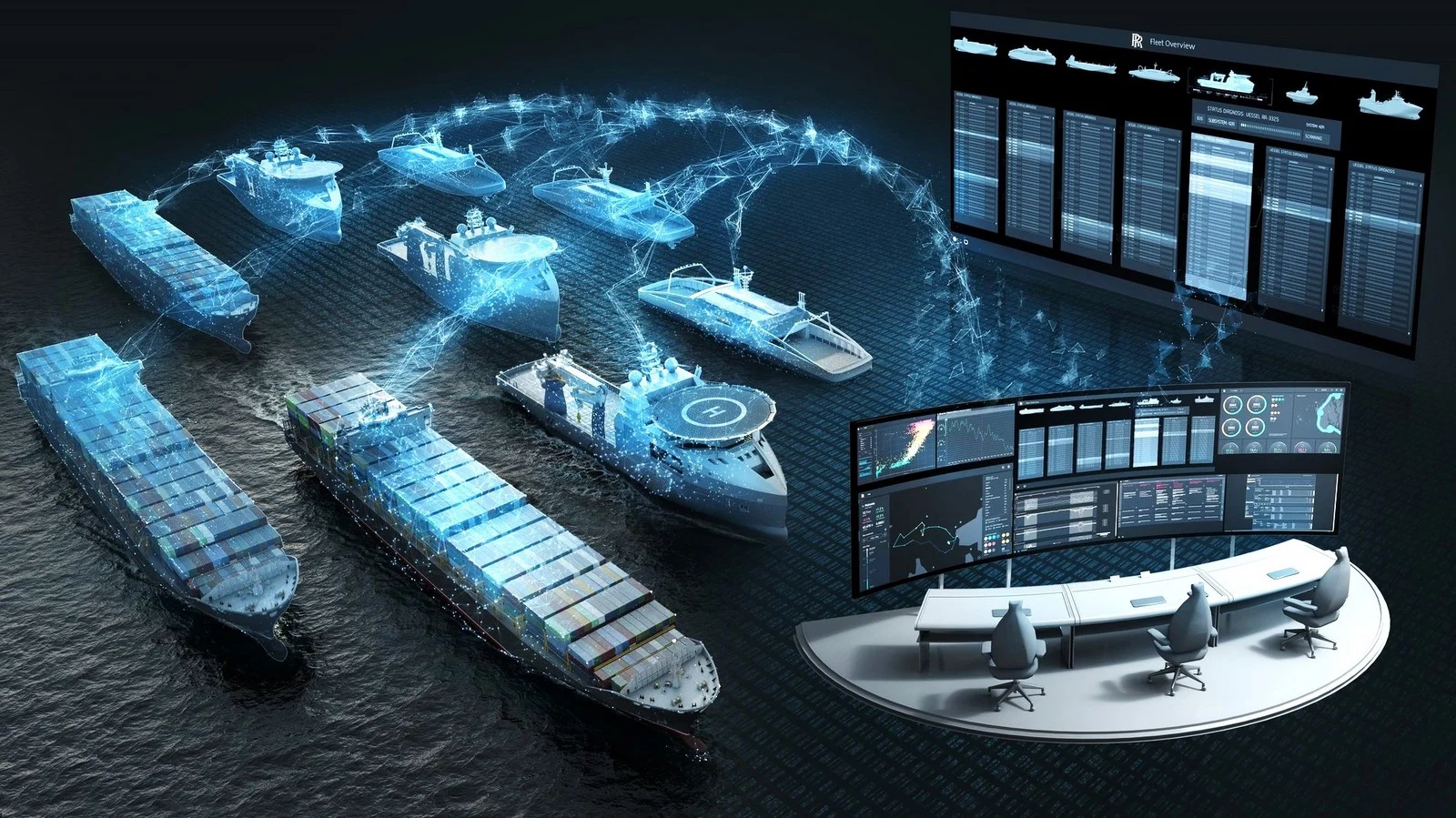
Technology also appears onboard. Advanced navigation, automation, monitoring, power management, and communication systems can improve safety and efficiency. However, technology must be integrated carefully. Adding more systems does not automatically make a ship better. The systems must fit the crew, the mission, and the maintenance plan.
Energy Efficiency and Environmental Pressure
The maritime industry is under increasing pressure to reduce emissions. Ship design has a direct role in that transition. Hull efficiency, propulsion selection, equipment layout, and energy management all influence fuel use and environmental impact.
A well-designed vessel can reduce operating costs while supporting cleaner performance. In some cases, hybrid power, batteries, alternative fuels, or shore power compatibility may be appropriate. In other cases, gains come from optimizing the hull and reducing unnecessary weight.
The important point is that sustainability should be designed into the vessel early. It is much harder to fix inefficient design after a ship is already in service.
Designing for Specialized Markets
Different maritime segments need different design priorities. Offshore wind vessels may need safe technician transfer, long offshore endurance, and dynamic positioning. Platform supply vessels need reliable logistics and cargo capacity. Fishery vessels need efficient catch handling and safe working areas. Aquaculture vessels need service features tailored to marine farming.
This is why customer-driven ship design matters. A generic approach may miss the details that make a vessel successful. Purpose-built design helps owners get the right capabilities without carrying unnecessary cost or complexity.
Read Also: Mechanical Testing: The Hidden Technology Behind Reliable Products
Crew-Centered Thinking
Technology should support the people onboard. Safe movement routes, practical workspaces, clear control interfaces, and maintainable equipment are all part of good design. Crew comfort also matters, especially on vessels that operate for long periods offshore.
A ship that is easier to operate can be safer and more productive. Good design reduces confusion, improves maintenance access, and helps crews respond quickly when conditions change.
Conclusion
Ship design today is a blend of maritime experience, customer insight, digital tools, and sustainable engineering. The best vessels are not simply larger or more powerful; they are smarter, more efficient, and better matched to their mission. As maritime technology continues to evolve, thoughtful design will remain the foundation of every successful vessel.