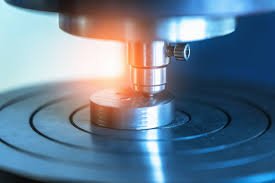
Mechanical testing rarely gets the attention that product launches, new devices, or industrial breakthroughs receive. Yet for readers of techtvhub.net, it is one of the hidden technologies that makes modern products safer and more dependable. Before a material becomes part of an aircraft, vehicle, building, machine, or consumer device, engineers need proof that it can handle real conditions.
Mechanical testing provides that proof. It uses controlled force to measure how materials and components behave. A test may pull a sample apart, press it under compression, strike it with sudden impact, bend it, scratch it, or cycle it through repeated loads. AeroNordic’s coating fatigue page explains how repeated loading and unloading can help identify failure points and estimate lifespan, which is exactly why this work matters in high-performance industries.
Why Testing Comes Before Trust
A material can look strong and still fail in service. A coating can appear smooth and still crack under repeated flexing. A lightweight component can perform well in a prototype but weaken after vibration or weather exposure. Mechanical testing helps engineers discover these problems before customers or operators experience them.
This is why testing is closely tied to trust. Manufacturers use it to prove that materials meet specifications. Engineers use it to compare design options. Customers and regulators use results to understand whether a product is safe for its intended purpose.
The Main Types of Mechanical Testing
Tensile testing measures how a material performs when pulled. It reveals values such as tensile strength, yield strength, and elongation. Compression testing measures performance under squeezing forces, which is important for construction materials, packaging, foams, and structural parts.
Fatigue testing evaluates how materials respond to repeated stress. This is critical because many failures happen after thousands of small cycles rather than one dramatic overload. Coatings, composites, turbines, motors, and vehicle components often need this type of evaluation.
Hardness testing checks surface resistance to indentation and wear. Impact testing measures toughness under sudden force. Bend testing looks at flexibility and crack resistance. Each method gives a different piece of the reliability puzzle.
How Mechanical Testing Supports Innovation
Innovation often means using new materials, lighter structures, advanced coatings, or more efficient manufacturing processes. These changes can improve performance, but they also introduce uncertainty. Mechanical testing helps teams understand whether the new approach truly works.
For example, a lightweight composite may reduce energy use, but only if it can survive fatigue and impact. A new protective coating may extend service life, but only if it resists cracking under repeated loads. A redesigned part may reduce cost, but only if its strength remains acceptable.
Testing gives engineers the confidence to move forward. It also helps them refine designs instead of abandoning good ideas too early. When a test shows a weak point, the team can adjust thickness, geometry, material choice, or production conditions.
Read Also: Quantum Technology Vs Classical Computing
Testing and Long-Term Durability
Durability is one of the most valuable outcomes of mechanical testing. Products rarely fail because of one simple cause. They often face a mix of load, temperature, moisture, vibration, abrasion, and time. Testing helps isolate these factors and understand how they affect performance.
Fatigue data is especially useful for planning service life. If a component will experience repeated movement or vibration, engineers need to know when cracks may begin and how failure might progress. That information can support maintenance schedules, inspections, and safer design margins.
Why Standards Matter
Mechanical testing must be repeatable to be useful. Standards such as ISO and ASTM help laboratories run tests consistently. They define how samples are prepared, how equipment is used, and how results are reported. This allows teams in different locations to compare data with more confidence.
Standards also help when products must meet customer or regulatory requirements. A test result is stronger when it comes from a recognized method rather than an improvised setup.
Conclusion
Mechanical testing is the quiet work that turns product confidence into evidence. It helps engineers choose materials, validate coatings, improve designs, and reduce failure risks. For anyone watching the technology behind modern industry, mechanical testing is a reminder that reliable innovation depends on careful measurement.