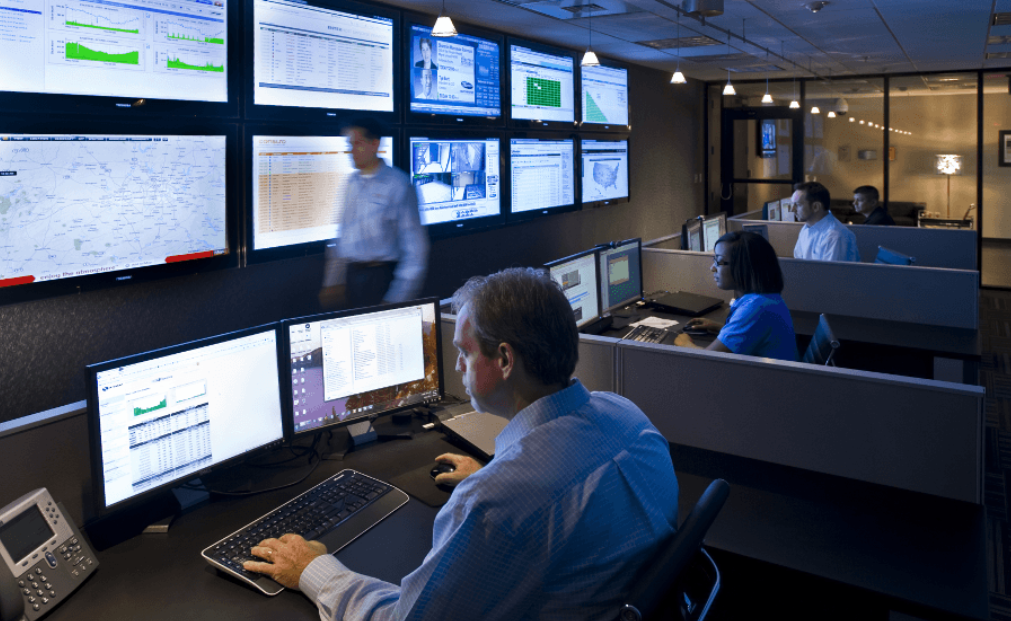
The volume and complexity of cyber threats facing organizations today have reached a point where informal or reactive security measures are no longer sufficient. Attackers move quickly, often dwelling inside networks for days or weeks before anyone notices. Detection failures are not hypothetical; they are an everyday operational reality for organizations that lack the infrastructure to monitor, correlate, and respond to events as they happen.
A security operations center is the organizational answer to that challenge. It is a dedicated function that keeps a continuous watch over an enterprise’s entire technology environment, with the people, processes, and tools needed to identify threats, investigate them, and contain their impact before serious damage occurs.
The Core Purpose of a Security Operations Center
At its most fundamental level, a security operations center is a centralized team responsible for monitoring an organization’s security posture on an ongoing basis. Unlike ad hoc security responses, which are triggered only when something obvious goes wrong, a security operations center operates around the clock, identifying suspicious activity across endpoints, networks, cloud environments, applications, and data systems in real time.
The goal is not simply to respond faster to incidents. It is to detect threats that would otherwise go unnoticed, investigate alerts that automated tools surface, and make informed decisions about how to contain and remediate security events before they escalate into major incidents.
Organizations looking to understand the scope and structure of this function can refer to the overview of security operation centre for threat detection, which outlines the components that make a security operations center effective and how they work together in practice.
See also: Brighten Your Space with Rooflights for Inclined Roofs
How a Security Operations Center Is Structured
A security operations center typically operates across several analyst tiers, each handling a different level of alert complexity and responsibility.
Tier One Analysts
The first tier is responsible for continuous monitoring. These analysts review the alerts generated by security tools, triage them to determine which are genuine threats and which are false positives, and escalate those that require deeper investigation. In a high-volume environment, this role is demanding the sheer number of alerts generated by modern security infrastructure can be overwhelming without effective tooling and triage processes.
The challenge of alert fatigue is a persistent concern for security operations teams. Research on SOC operations has documented how unmanaged alert volumes can erode analyst effectiveness over time, which is why well-structured security operations centers invest heavily in detection tooling, SIEM tuning, and filtering capabilities. Industry coverage of developments in SOC alert detection tools illustrates how modern platforms are evolving to reduce noise and allow analysts to focus on confirmed threats rather than spending their time processing low-priority signals.
Tier Two Analysts
When tier one analysts identify an alert that requires deeper investigation, it is escalated to tier two. These analysts have more experience and are responsible for determining the scope and nature of a potential incident. They examine logs, correlate events across multiple data sources, and assess whether an alert represents an isolated event or part of a broader attack pattern.
Tier Three Analysts and Threat Hunters
The most experienced members of a security operations center team, often referred to as tier three analysts or threat hunters, take a proactive approach. Rather than waiting for alerts to trigger an investigation, they actively search for indicators of compromise that monitoring tools may have missed. This involves deep forensic analysis, threat intelligence research, and hypothesis-driven investigation into whether adversaries have established a foothold in the environment.
The Key Technologies That Power a Security Operations Center
People are essential to a security operations center, but they cannot operate effectively without the right tools. Several technology categories are fundamental to how a security operations center functions.
Security Information and Event Management
SIEM platforms collect and aggregate log data from across the enterprise servers, endpoints, firewalls, cloud services, applications, and more. They correlate events, apply detection rules, and surface alerts that analysts can investigate. The SIEM is effectively the central nervous system of a security operations center, providing the unified visibility that makes monitoring at scale possible.
Security Orchestration, Automation, and Response
SOAR platforms allow security operations centers to automate routine tasks and execute predefined response playbooks. When a certain type of alert is confirmed, a SOAR tool can automatically isolate a compromised endpoint, revoke a user’s credentials, or block a malicious IP address all without waiting for a human analyst to take action. This automation accelerates response times and reduces the manual burden on analyst teams.
Endpoint Detection and Response
EDR tools provide granular visibility into what is happening on individual devices desktops, laptops, servers, and other endpoints. They capture process execution data, file modifications, network connections, and other behavioral signals that help analysts understand whether an endpoint has been compromised and how an attacker is moving through the environment.
Threat Intelligence Feeds
Threat intelligence enriches the alerts that analysts review by providing context about known malicious actors, indicators of compromise, and emerging attack techniques. A security operations center that integrates quality threat intelligence can identify known threats faster and prioritize its investigative efforts more effectively.
How a Security Operations Center Responds to Incidents
Detection is only the beginning. What a security operations center does after an alert is confirmed determines how much damage an incident ultimately causes.
Once an analyst confirms a genuine threat, the incident response process begins. This typically involves containment isolating affected systems to prevent lateral movement followed by eradication of the threat from the environment, and then recovery to restore affected systems to normal operation. Throughout this process, the security operations center documents what happened, how it was detected, and what actions were taken.
That documentation serves two purposes. First, it provides an audit trail that supports post-incident analysis and, where relevant, regulatory reporting. Second, it feeds into continuous improvement helping the security operations center refine its detection rules, update its playbooks, and close the gaps that the incident revealed.
Security operations is increasingly recognized as a strategic function rather than a purely technical one. Research on how senior security leaders approach their programs reflects this shift. Coverage of CISO security priorities today identifies threat detection improvement, AI-assisted monitoring, and third-party risk visibility as areas where the security operations center plays a direct and growing role in organizational security strategy.
Types of Security Operations Center Models
Not all organizations build the same kind of security operations center. Several deployment models exist, and the right choice depends on the organization’s size, budget, risk profile, and internal capabilities.
An in-house security operations center gives the organization full control over its security monitoring and response function, but requires significant investment in people, tooling, and physical infrastructure. Managed security service providers offer an outsourced alternative, in which a third-party team handles monitoring and response on behalf of the organization. Hybrid models combine internal resources with external expertise, allowing organizations to maintain oversight while extending their capacity through a managed partner.
Co-managed models, where an organization and a service provider share responsibility for different aspects of security operations, are also increasingly common, particularly among midsize enterprises that have some internal security capability but lack the headcount for full 24/7 coverage.
Frequently Asked Questions
What is the main function of a security operations center?
The primary function is continuous monitoring of an organization’s technology environment to detect, investigate, and respond to security threats. A security operations center operates around the clock, using a combination of trained analysts and specialized tooling to identify suspicious activity before it causes serious harm.
How does a security operations center differ from a help desk?
A help desk handles general IT support requests from end users. A security operations center is a specialized function focused entirely on cybersecurity monitoring for threats, investigating incidents, and coordinating response. The two operate separately, though they may interact when security incidents affect user systems.
What size of organization needs a security operations center?
Organizations of all sizes benefit from the capabilities a security operations center provides, though the model differs. Larger enterprises often build internal teams, while smaller organizations may rely on managed service providers or co-managed arrangements to achieve equivalent monitoring and response capabilities without the overhead of a fully staffed in-house function.