Ever been stuck at a red light for what feels like an eternity, only to see the other lanes empty and mocking you with their freedom? Yeah, that’s the kind of frustration that means something has to change. Enter smarter traffic lights. These aren’t your regular, old-school signals that flip between red, yellow, and green based on a timer set in the 90s. No, these bad boys use real-time data to adjust their timing to the actual flow of traffic. Imagine driving through a city where lights actually adapt to the amount of traffic on the road. It’s not just a dream anymore.
Adaptive signals are a game-changer for urban mobility. Instead of having a fixed schedule, these lights analyze data collected from sensors and cameras to determine the optimal time to change colors. By doing so, they can minimize wait times and reduce congestion significantly. For instance, if a particular intersection is experiencing heavy traffic in one direction but is relatively free in another, the adaptive system will give more green light time to the busier lanes. This dynamic adjustment helps to keep traffic flowing smoothly, which ultimately reduces overall travel time and fuel consumption.
And let’s not forget the environmental benefits. With fewer cars idling at red lights, emissions drop, contributing to cleaner air in our cities. Think about it: less time spent in traffic not only saves fuel but also cuts down on pollution. Plus, it makes for happier commuters. Who wouldn’t want that? Smarter traffic lights are paving the way for more efficient urban transport systems, making our daily commutes just a little bit more bearable.
Autonomous vehicles are changing the game
Ah, autonomous vehicles – the stuff of science fiction dreams becoming reality. Self-driving cars are no longer just a concept; they’re hitting the roads and making waves in the transportation industry. These vehicles use a combination of sensors, cameras, radar, and artificial intelligence to navigate roads without human intervention. It’s like having your own personal chauffeur who never gets tired or distracted.
The impact of autonomous vehicles goes beyond just convenience. They have the potential to significantly reduce traffic accidents, which are often caused by human error. No more worrying about drivers texting while driving or falling asleep at the wheel; autonomous cars are designed to follow traffic rules precisely and react to their environment in real-time. This could lead to safer roads for everyone.
Moreover, autonomous vehicles can communicate with each other to optimize traffic flow, reducing congestion even further. Imagine a world where cars seamlessly merge into traffic without causing bottlenecks or where traffic jams become a thing of the past thanks to intelligent routing systems. It’s not just about getting from point A to point B anymore; it’s about doing so in the most efficient and safest way possible. Autonomous vehicles are poised to revolutionize our transportation systems in ways we can only begin to imagine.
Advanced surveillance is keeping us safer
In today’s world, safety is paramount, and technology is stepping up to meet this need with advanced surveillance systems. Gone are the days when grainy security footage was all we had to rely on. Modern surveillance systems offer high-definition video quality and real-time monitoring capabilities that enhance public safety across various transportation hubs like airports, train stations, and even bus terminals.
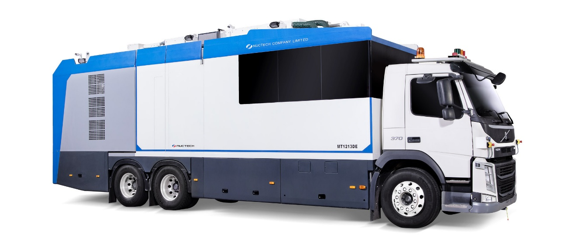
The integration of AI-powered analytics allows these systems to do much more than just record footage. They can detect unusual behavior patterns, recognize faces, and even track suspicious activities automatically. Additionally, advanced surveillance systems often incorporate vehicle inspection equipment to ensure that all types of transportation are thoroughly monitored for any potential threats. For instance, if someone leaves a bag unattended in an airport, the system can alert security personnel immediately so they can investigate promptly. This proactive approach helps prevent potential threats before they escalate into serious incidents.
Moreover, these advanced surveillance systems can be integrated with other security measures like biometric scanners and access control systems to create a comprehensive security network. The result is a safer environment for passengers and staff alike. By leveraging cutting-edge technology, we can ensure that our transportation systems remain secure while also enhancing the overall travel experience for everyone involved.
Cybersecurity measures for modern transport systems
As our transportation systems become more interconnected and reliant on digital infrastructure, cybersecurity has become a critical concern. The threat of cyberattacks targeting transportation networks is very real, and the consequences can be dire – from disrupting services to compromising passenger safety. It’s essential that robust cybersecurity measures are in place to protect these vital systems.
Modern transport systems employ a variety of technologies such as automated ticketing systems, GPS tracking, and communication networks between vehicles and control centers. Each of these components presents a potential entry point for cyber threats. To counter these risks, cybersecurity protocols must be implemented at every level of the system. This includes encrypting data transmissions, regularly updating software to patch vulnerabilities, and employing intrusion detection systems that can identify and neutralize threats in real-time.
Additionally, staff training plays a crucial role in maintaining cybersecurity. Employees need to be aware of common cyber threats such as phishing attacks and understand how to respond appropriately if they encounter suspicious activity. By fostering a culture of cybersecurity awareness and implementing stringent protective measures, we can safeguard our modern transport systems against evolving cyber threats.
See also: SEO Firm West Palm Beach: How Local SEO Can Grow Your Business
Biometric technology is enhancing passenger security
Biometric technology is transforming how we approach security in transportation hubs around the world. Gone are the days when paper tickets and manual ID checks were enough – now we have fingerprint scanners, full body scanners, facial recognition systems, and even iris scanners making their way into airports and train stations.
The beauty of biometric technology lies in its ability to provide quick yet secure verification processes. For instance, facial recognition systems can scan passengers’ faces as they move through checkpoints without requiring them to stop or present documents physically. This not only speeds up the boarding process but also reduces human error associated with manual checks.
Moreover, biometric technology adds an extra layer of security by ensuring that only authorized individuals gain access to restricted areas within transportation facilities. It becomes much harder for someone to use a fake ID or forged ticket when their unique biological traits are being used as verification methods.
As this technology continues to develop and become more widespread, we can expect even greater efficiency and security within our transport systems – making travel safer and more convenient for everyone involved.